Educational Games and Brain Teasers Online – Amazing Learning Benefits in 2026
In today’s digital world, gaming is no longer just about entertainment. Educational games and brain teasers have become powerful tools for learning, helping players of all ages improve cognitive skills while having fun.
From simple puzzle challenges to complex logic-based games, online learning games are now widely used by students, teachers, and casual players. These games combine entertainment with education, making learning more engaging and interactive.
As technology continues to evolve, educational gaming is becoming an important part of modern learning methods.
What Are Educational Games?
Educational games are interactive digital experiences designed to teach skills, concepts, or knowledge while keeping players engaged.
They often include:
- Problem-solving tasks
- Memory challenges
- Logical thinking exercises
- Math-based puzzles
- Language learning activities
Unlike traditional learning methods, these games focus on active participation instead of passive reading.
What Are Brain Teasers?
Brain teasers are puzzles or challenges that require critical thinking to solve. They are designed to test mental ability and improve cognitive performance.
Common Types of Brain Teasers
| Type | Description |
|---|---|
| Logic Puzzles | Require reasoning skills |
| Math Puzzles | Numerical challenges |
| Word Puzzles | Language-based problems |
| Pattern Recognition | Identify sequences |
| Riddles | Creative thinking tasks |
Brain teasers are widely used to sharpen mental agility.
Why Educational Games Are So Popular
Educational gaming has grown rapidly because it combines learning with fun.
Key Reasons for Popularity
| Feature | Benefit |
|---|---|
| Interactive Learning | More engaging than textbooks |
| Instant Feedback | Helps improve quickly |
| Gamification | Makes learning enjoyable |
| Accessibility | Available online anytime |
| Variety | Many subjects and levels |
This combination makes learning feel less like studying and more like playing.
Benefits of Educational Games and Brain Teasers
Educational games offer a wide range of cognitive and emotional benefits.
- Improves Problem-Solving Skills
Players learn how to analyze situations and find solutions quickly.
- Enhances Memory
Many games require remembering patterns, sequences, or rules.
- Boosts Concentration
Focused gameplay helps improve attention span.
- Encourages Critical Thinking
Brain teasers push players to think logically and creatively.
- Reduces Stress
Learning through games creates a relaxed and enjoyable environment.
Educational Game Categories
There are many types of educational games available online.
Puzzle Games
- Sudoku
- Match-3 games
- Jigsaw puzzles
- Logic grids
Math Games
- Number challenges
- Arithmetic puzzles
- Speed calculation games
Language Games
- Word searches
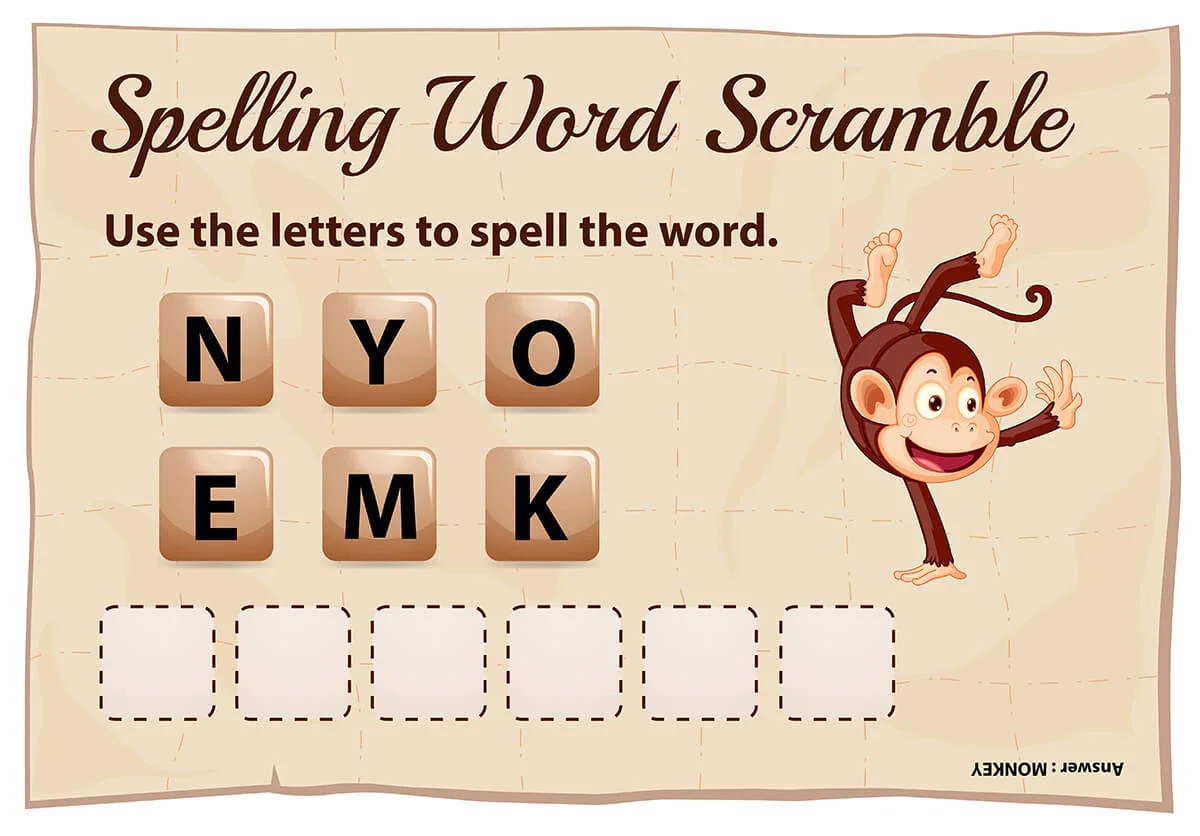
- Spelling games
- Vocabulary builders
Science-Based Games
- Physics simulations
- Chemistry experiments
- Environmental learning games
Brain Teaser Categories
Brain teasers come in different difficulty levels and styles.
Popular Categories
| Category | Skill Tested |
|---|---|
| Logical Reasoning | Thinking ability |
| Pattern Recognition | Observation |
| Riddles | Creativity |
| Spatial Puzzles | Visualization |
These exercises help improve overall brain performance.
How Educational Games Improve Learning
Educational games use a concept called gamification, which applies game mechanics to learning.
Gamification Elements
- Points and rewards
- Levels and progression
- Challenges and missions
- Leaderboards
- Achievements
These features motivate players to keep learning.
Educational Games for Students
Students benefit greatly from learning-based games. Teachers often use these games in classrooms to make lessons more interactive.
Advantages for Students
| Benefit | Impact |
|---|---|
| Better Focus | Improved attention |
| Faster Learning | Quick understanding |
| Higher Engagement | More interest in studies |
| Better Retention | Long-term memory |
Educational Games for Kids
Children especially benefit from interactive learning. Fun learning helps children stay motivated.
Key Benefits for Kids
- Develop early cognitive skills
- Improve hand-eye coordination
- Learn basic math and language
- Encourage creativity
- Build problem-solving habits
Educational Games for Adults
Adults also use brain training games. Brain training is often recommended for lifelong cognitive health.
Benefits for Adults
- Maintain mental sharpness
- Reduce stress
- Improve focus at work
- Enhance memory retention
Best Features of Online Learning Games
Modern educational games include structural tools designed to optimize tracking and growth:
| Feature | Advantage |
|---|---|
| Interactive Design | Better engagement |
| Adaptive Difficulty | Personalized learning |
| Real-Time Feedback | Faster improvement |
| Mobile Compatibility | Learn anywhere |
Why Brain Training Is Important
Keeping the brain active is essential for long-term cognitive health. Regular mental exercise helps maintain brain performance.
Cognitive Benefits
- Improved reasoning skills
- Better decision-making
- Stronger memory function
- Increased creativity
How to Choose the Best Educational Games
When selecting learning games, consider:
- Age Appropriateness
Games should match the learner’s skill level.
- Learning Goals
Choose games based on what you want to improve.
- Difficulty Level
Start easy and gradually increase difficulty.
- Engagement Level
The game should be fun enough to keep you motivated.
Tips to Get the Most Out of Brain Games
- Play Regularly
Consistency improves results.
- Challenge Yourself
Gradually increase difficulty parameters.
- Mix Different Game Types
This improves multiple distinct cognitive skills.
- Track Progress
Monitor performance and path improvement over time.
Future of Educational Gaming
The future of learning games is very promising. Emerging trends include:
- AI-powered learning systems
- Virtual reality classrooms
- Personalized game-based learning
- Real-time adaptive difficulty systems
- Cross-platform educational tools
Education and gaming will continue merging in innovative ways.
Why Educational Games Matter Today
In a fast-paced digital world, traditional learning methods are evolving. Educational games provide a more interactive, engaging, and effective way to develop essential skills. They bridge the gap between entertainment and education, making learning enjoyable for all age groups.
Final Thoughts
Educational games and brain teasers are more than just entertainment—they are powerful tools for learning and mental development. From improving memory and focus to enhancing problem-solving skills, these games offer valuable benefits for students, kids, and adults alike.
As technology continues to grow, educational gaming will play an even bigger role in shaping the future of learning, making education more interactive, accessible, and enjoyable than ever before.